Brain Function After Injury: Why Neuropsychological Evaluation Matters
Not all injuries are visible. While physical pain is often the most immediate concern after an accident or trauma, many patients experience changes that are less obvious but equally impactful. Difficulties with memory, focus, mood, or...

Not all injuries are visible. While physical pain is often the most immediate concern after an accident or trauma, many patients experience changes that are less obvious but equally impactful. Difficulties with memory, focus, mood, or behaviour can emerge, affecting daily life and overall recovery.
This is where neuropsychology plays a critical role.
What Is Neuropsychology?

Neuropsychology is a specialized field that studies how brain function is affected by injury, illness, or neurological conditions. It focuses on understanding the connection between the brain and:
- Cognitive abilities (memory, attention, problem-solving)
- Emotional regulation (anxiety, depression, mood changes)
- Behavior and daily functioning
By evaluating these areas, neuropsychology helps uncover the hidden effects of injury that may otherwise go undetected.
The Hidden Impact of Injury
After an injury, patients may experience symptoms that are not immediately linked to physical trauma, such as:
- Difficulty concentrating or remembering information
- Increased anxiety or depression
- Post-traumatic symptoms
- Changes in behavior or emotional responses
These symptoms are often misunderstood or overlooked because they are not visible but they are real, measurable, and treatable.
How Neuropsychological Evaluation Works
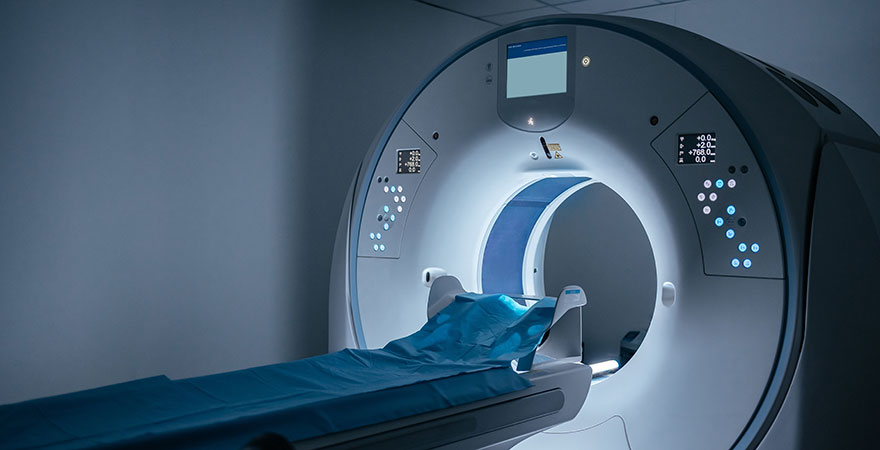
A neuropsychological evaluation is a structured, evidence-based process designed to assess how the brain is functioning. Through cognitive testing and clinical assessment, specialists evaluate:
- Memory and learning capacity
- Attention and focus
- Problem-solving and reasoning
- Emotional and behavioral health
This process provides objective insights into brain function, helping clinicians understand the full scope of a patient’s condition.
Why It Matters for Recovery
Understanding how the brain is functioning after an injury is essential for effective treatment. Neuropsychological evaluations:
- Support accurate diagnosis
- Guide personalized treatment plans
- Help care teams coordinate more effectively
- Improve outcomes through targeted interventions
In short, they bridge the gap between what a patient feels and what clinicians can measure.
A Patient-Centered Approach to Care
Effective neuropsychological care goes beyond testing; it requires clinical expertise and a deep understanding of each patient’s unique experience. A patient-centred approach ensures that evaluations are not only accurate but also meaningful in guiding recovery.
By identifying cognitive and emotional changes early, patients can begin a more focused and supported recovery journey.
Take the Next Step
If you or someone you care for is experiencing cognitive or emotional changes after an injury, a neuropsychological evaluation can provide clarity and direction.