What Is Neurodiagnostics? A Guide to Brain Injury Evaluation
When a patient experiences a head injury, the most challenging part of care is often not the treatment it’s the measurement. Symptoms like dizziness, brain fog, visual intolerance, and fatigue are real, but they are also subjective. This...
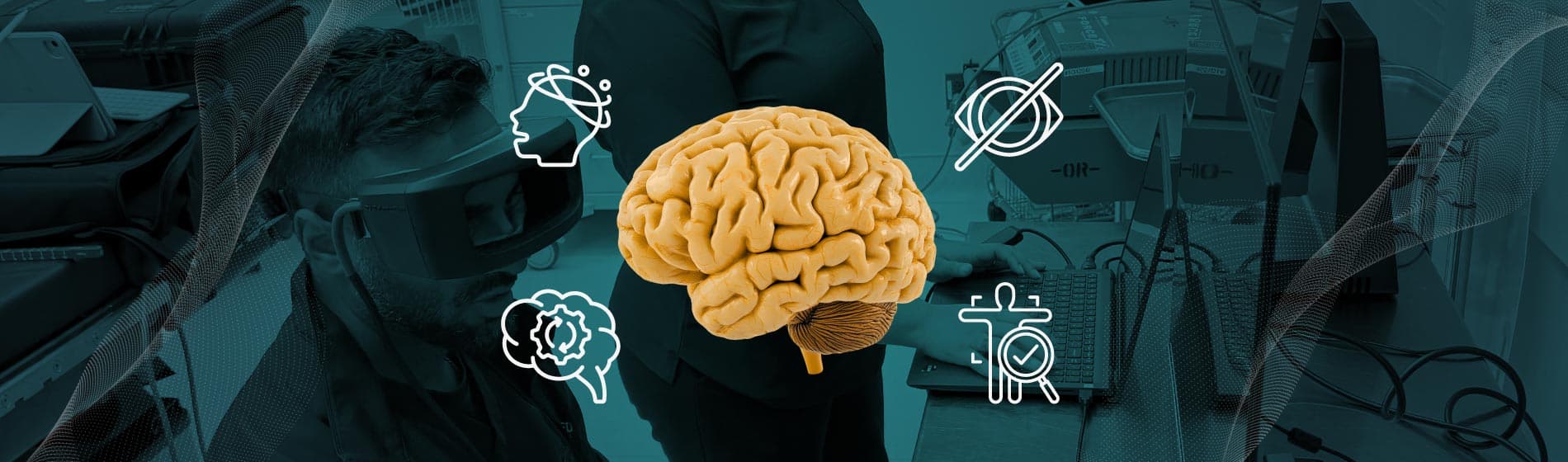
When a patient experiences a head injury, the most challenging part of care is often not the treatment it’s the measurement. Symptoms like dizziness, brain fog, visual intolerance, and fatigue are real, but they are also subjective. This is where neurodiagnostics plays a critical role.
Defining Neurodiagnostics
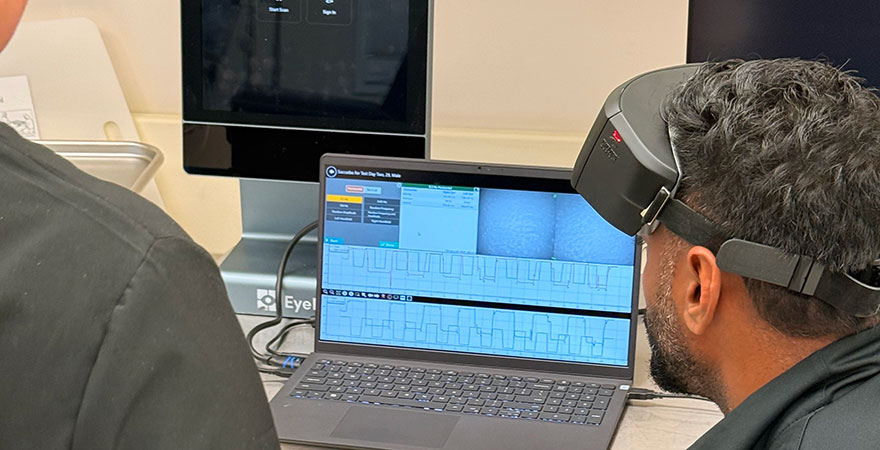
Neurodiagnostics refers to a group of objective, technology-driven tests used to evaluate how the brain is functioning after an injury.
Rather than relying solely on symptom reporting, neurodiagnostic testing provides measurable data on neurological performance, helping clinicians better understand what is happening beneath the surface.
This approach is especially valuable in cases of mild traumatic brain injury (mTBI) or concussion, where traditional imaging may appear normal despite ongoing symptoms.
Why Neurodiagnostics Matters
Post-injury symptoms can affect multiple systems at once—vestibular, visual, and cognitive. Without objective data, it becomes difficult to:
- Identify the primary source of dysfunction
- Determine the most effective treatment pathway
- Track whether a patient is truly improving
Neurodiagnostics addresses this gap by turning symptoms into quantifiable metrics, allowing for more precise and defensible clinical decisions.
What Neurodiagnostic Testing Evaluates
A comprehensive neurodiagnostic assessment typically focuses on key domains affected by brain injury:
1. Balance and Vestibular Function
Evaluates dizziness, vertigo, and postural stability to determine if the inner ear or balance system is affected.
2. Visual and Oculomotor Function
Assesses how the eyes move, track, and respond to stimuli—critical for reading, screen use, and coordination.
3. Cognitive Performance
Screens for processing speed, attention, and mental fatigue that may impact daily functioning.
4. Functional Impact
Measures how symptoms translate into real-world limitations, such as difficulty working, driving, or concentrating.
Core Technologies Used
Modern neurodiagnostic programs integrate multiple tools to create a complete clinical picture:
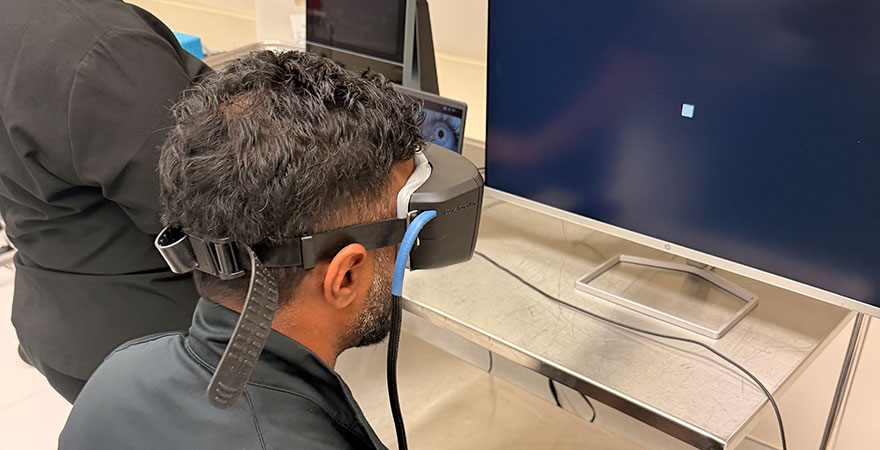
- Eye tracking technology (EyeBOX): Measures subtle eye movement patterns associated with brain dysfunction
- Vestibular and balance testing: Quantifies stability and fall risk
- Neurological testing batteries: Evaluate symptom provocation and functional response
- Cognitive screening tools: Provide insight into processing and attention
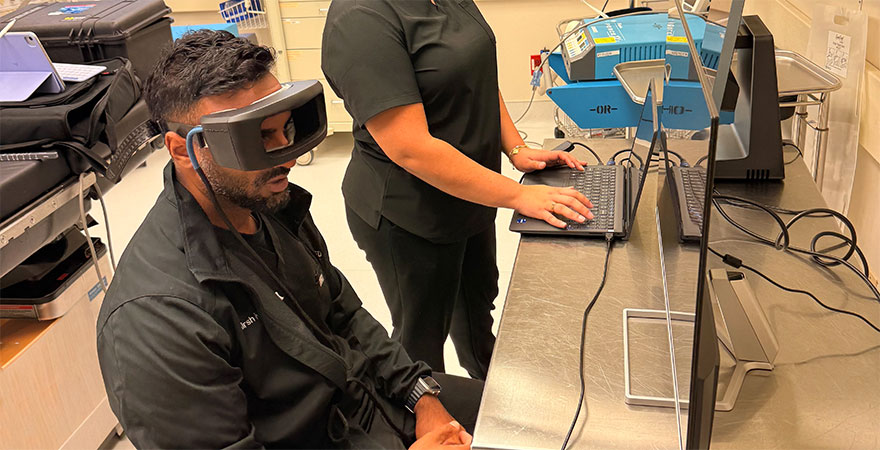
Each test contributes a piece of the puzzle together, they form a data-driven understanding of brain function.
From Data to Treatment
One of the most important aspects of neurodiagnostics is that testing is not performed in isolation. Every result is tied to a clinical decision.
This may include:
- Referral to vestibular physical therapy
- Vision therapy or optometric evaluation
- Cognitive or neuropsychological support
- Activity modifications and return-to-work guidance
In other words, neurodiagnostics doesn’t just identify problems it guides the next step in recovery.
Tracking Recovery Over Time
Recovery from brain injury is not always linear. Some patients improve quickly, while others experience persistent symptoms.
Neurodiagnostic testing allows providers to:
- Establish a baseline
- Monitor progress over time
- Adjust treatment based on objective changes
This is particularly valuable in patients undergoing active therapy, where measurable improvement can inform whether to continue, modify, or escalate care.
What Neurodiagnostics Is Not
To fully understand its value, it’s important to clarify what neurodiagnostics does not replace:
- It is not a standalone diagnosis of concussion
- It does not replace a physician’s clinical evaluation
- It is not a substitute for comprehensive neuropsychological testing
Instead, it serves as a powerful complement enhancing clinical insight with objective data.
A More Precise Approach to Brain Injury Care
As healthcare continues to move toward precision and accountability, neurodiagnostics represents a shift from subjective interpretation to measurable, evidence-informed care.
By combining advanced technology with clinical expertise, this approach allows providers to:
- Better understand complex symptoms
- Deliver targeted, individualized treatment
- Support safer and more efficient recovery pathways
Brain injuries are complex but evaluating them doesn’t have to rely on guesswork.Neurodiagnostics brings clarity, structure, and measurable insight to a space that has long depended on subjective reporting. The result is more confident decisions, more targeted care, and better support for recovery.