Burning, Tingling, or Radiating Pain: Signs of Nerve-Related Conditions
Persistent burning, tingling, or shooting pain may involve the nerves. Learn why evaluation and personalized care are key steps toward understanding treatment options.
Pain is not always as simple as identifying where it hurts. For some patients, discomfort may be connected to the way nerves send and process signals throughout the body. This type of pain, known as nerve-related pain, can feel different from typical muscle or joint discomfort and may require a more targeted evaluation.
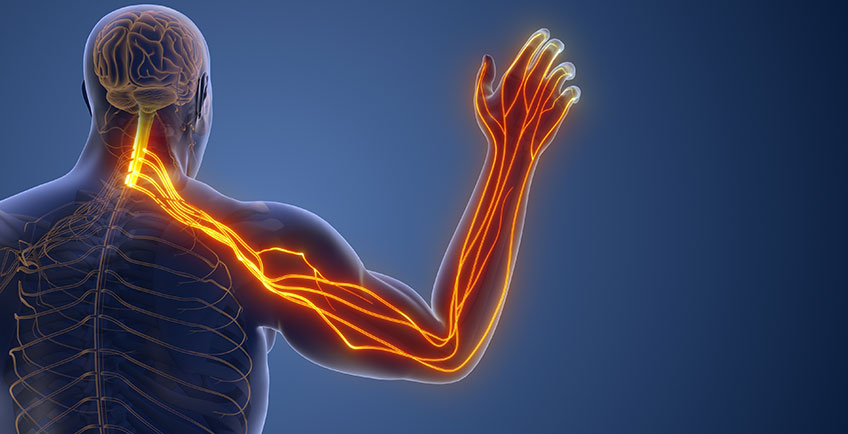
Symptoms such as burning, tingling, numbness, shooting sensations, or pain that travels into the arms or legs may indicate that the nervous system is involved. Understanding these symptoms can help healthcare providers identify the possible source and determine the most appropriate care approach.
At Synergex Med, advanced pain care focuses on understanding the complete picture including symptoms, function, and how pain affects daily life.

What Is Nerve-Related Pain?
Nerve-related pain occurs when nerves are irritated, compressed, damaged, or sending abnormal pain signals. Unlike typical soreness from an injury, nerve pain often follows specific patterns and may extend beyond the original area of discomfort.
Common nerve-related pain symptoms may include:
- Burning sensations
- Tingling or pins-and-needles feelings
- Numbness
- Shooting or electric-like pain
- Pain that travels into the arms or legs
- Changes in sensation or weakness
Because these symptoms can overlap with other conditions, identifying the source of pain is an important part of the evaluation process.
Why Does Understanding the Source of Pain Matter?
Two patients may experience pain in the same area but have completely different causes. One person may have muscle-related discomfort, while another may have symptoms connected to nerve irritation.
Understanding the source of pain helps providers evaluate:
- Where symptoms may be originating
- Whether nerves may be involved
- How symptoms affect movement and daily activities
- Which treatment options may be appropriate
A clear understanding of the problem allows care plans to be more personalized and focused on the patient’s specific needs.
How Are Nerve-Related Symptoms Evaluated?
When nerve involvement is suspected, providers may use different evaluation methods to better understand how the nervous system is functioning.
A comprehensive evaluation may include:
- Review of symptoms and medical history
- Physical examination
- Diagnostic testing when appropriate
- Assessment of how symptoms affect daily function
Tools such as Nerve Conduction Studies may provide additional information about nerve function and help providers better understand possible areas of concern.
What Is Neuromodulation?
For certain patients with persistent nerve-related pain, neuromodulation may be considered as an advanced pain management option.
Neuromodulation focuses on targeted nerve stimulation designed to influence how pain signals are processed within the nervous system.
Rather than focusing only on the location where pain is felt, this approach considers the communication pathway involved in the pain experience.
Neuromodulation may be evaluated for patients experiencing symptoms such as:
- Persistent nerve-related pain
- Burning or shooting sensations
- Pain that affects movement, sleep, or daily activities
- Symptoms that continue despite other treatments
Because every patient is different, a personalized evaluation is necessary to determine whether this option may be appropriate.
The Importance of Specialist Evaluation
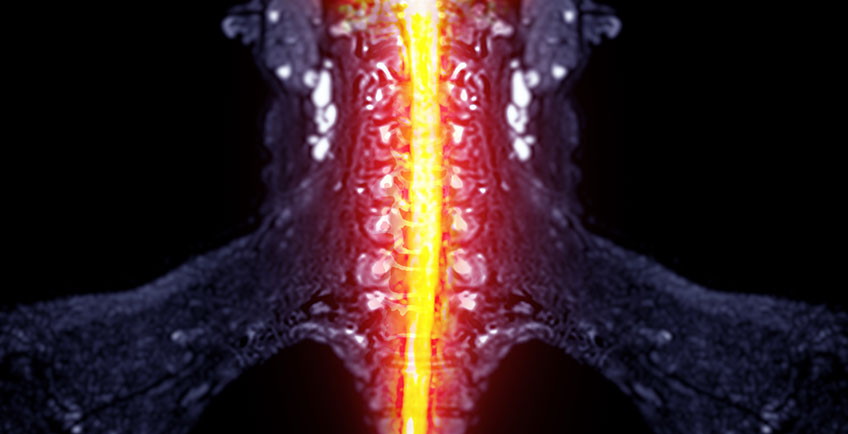
Nerve-related pain can be complex, and the right care approach begins with understanding the underlying cause.
A specialist evaluation can help connect:
- Patient symptoms
- Diagnostic information
- Nerve function
- Treatment options
At Synergex Med, coordinated specialty care brings together evaluation, diagnostic support, and advanced pain management options to help patients better understand their condition and explore appropriate treatment pathways.
Take the Next Step Toward Understanding Your Pain
Persistent nerve-related symptoms can affect movement, sleep, and quality of life. Identifying the source of pain is an important first step toward creating a personalized recovery plan.
If you are experiencing burning, tingling, numbness, shooting pain, or other nerve-related symptoms, a specialist evaluation can help provide greater clarity.
Learn more about advanced pain care and neuromodulation at Synergex Med:
https://www.synergexmed.com/