Why Every Concussion Deserves a Comprehensive Evaluation
Learn how to recognize concussion symptoms, why they may appear hours or days later, and how advanced neurodiagnostic testing helps guide personalized recovery after a head injury.
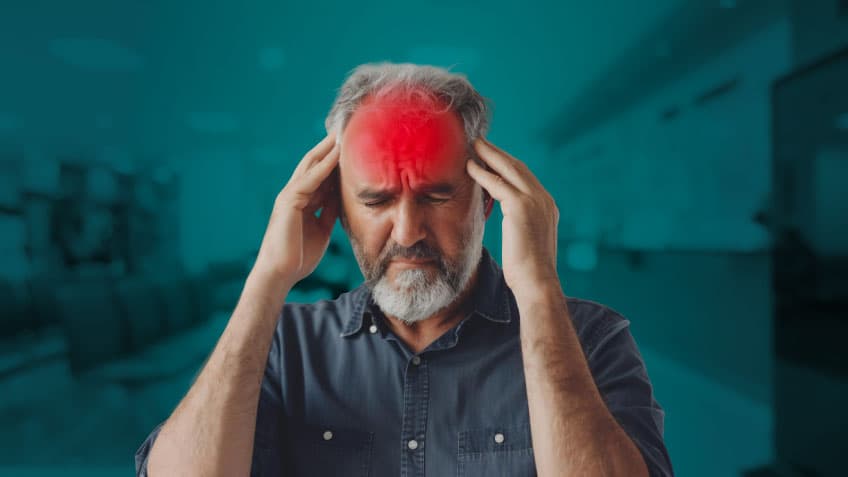
A concussion is often thought of as a temporary injury that simply requires rest. While many people recover fully, not every concussion presents the same way and not every symptom appears immediately.
Whether caused by a sports injury, fall, workplace accident, or motor vehicle collision, a concussion is a form of mild traumatic brain injury (mTBI) that deserves prompt medical attention. Early evaluation can help identify changes in brain function, guide treatment decisions, and support a safer recovery.
At Synergex Med, our physician-led approach combines advanced neurodiagnostic technology with comprehensive clinical evaluations to help patients receive individualized concussion care.
Concussions Don't Always Look the Same
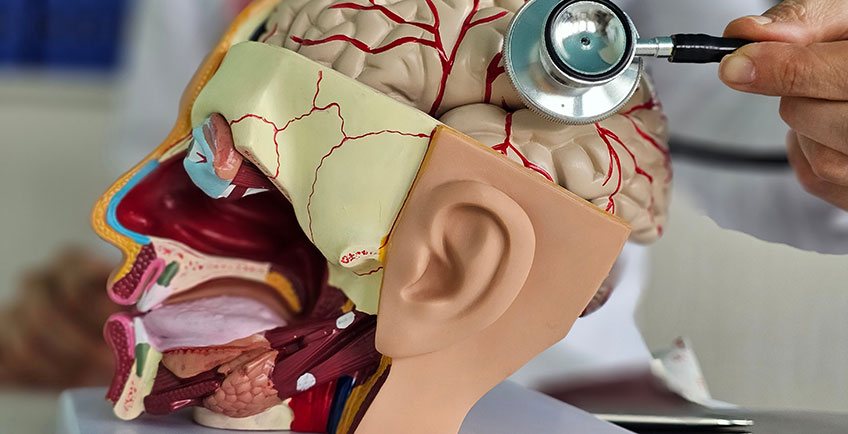
One of the biggest misconceptions about concussions is that symptoms are always obvious. In reality, many people never lose consciousness, and some symptoms may not develop until hours or even days after the injury.
Common concussion symptoms include:
- Persistent headache
- Dizziness or balance problems
- Blurred or double vision
- Sensitivity to light or noise
- Nausea
- Difficulty concentrating
- Memory problems
- Fatigue
- Slower thinking
- Mood or emotional changes
Because these symptoms can be subtle or delayed, it's important not to ignore them after any impact to the head.
Why an Accurate Evaluation Matters
Every concussion affects the brain differently. Two people may experience the same accident but have very different symptoms, recovery timelines, and treatment needs.
Rather than relying on symptoms alone, physicians use a comprehensive evaluation to better understand how the injury has affected brain function.
This evaluation may include:
- Medical history
- Neurological examination
- Vision assessment
- Balance testing
- Cognitive screening
- Symptom review
Together, these findings help physicians create a personalized recovery plan based on each patient's specific condition.
The Role of Advanced Neurodiagnostic Testing
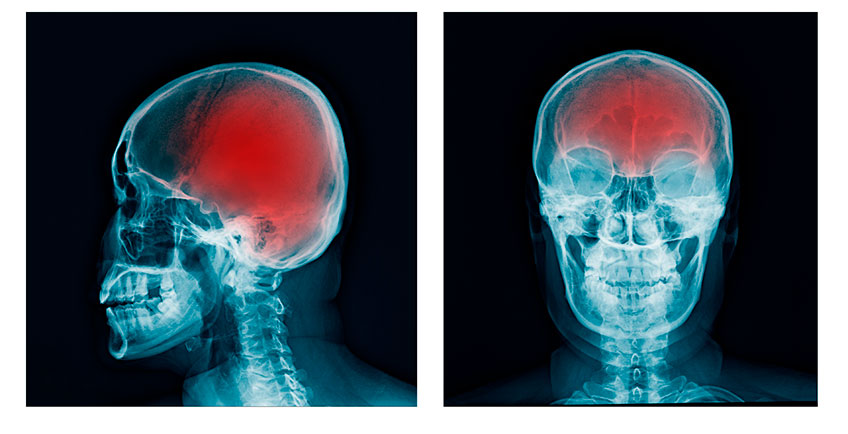
Modern concussion care extends beyond observation alone.
Advanced neurodiagnostic technologies provide objective information that complements the physician's clinical evaluation and helps assess multiple aspects of brain function.
Depending on the patient's symptoms, testing may include:
EyeBOX
EyeBOX is an FDA-cleared technology that evaluates eye movement patterns associated with concussion, providing objective data to assist physicians during assessment.
VOMS (Vestibular/Ocular Motor Screening)
VOMS evaluates eye movement, balance, and vestibular function to identify symptoms that may not be apparent during a standard neurological examination.
Balance Assessments
Balance testing measures postural stability and coordination, helping physicians understand how a concussion may be affecting the body's balance system.
Cognitive Testing
Computerized cognitive assessments evaluate memory, attention, processing speed, and executive function to provide additional insight into recovery.
Every Recovery Plan Should Be Personalized
There is no universal treatment for concussion.
Some patients recover within days, while others require a longer period of monitoring and rehabilitation. Recovery depends on factors such as the severity of the injury, previous concussions, age, overall health, and individual symptoms.
A personalized treatment plan may include:
- Activity modifications
- Return-to-work recommendations
- Return-to-play guidance for athletes
- Vestibular rehabilitation
- Vision therapy referrals
- Cognitive recovery strategies
- Follow-up evaluations to monitor progress
The goal is not simply symptom management but supporting a safe and appropriate return to daily activities.
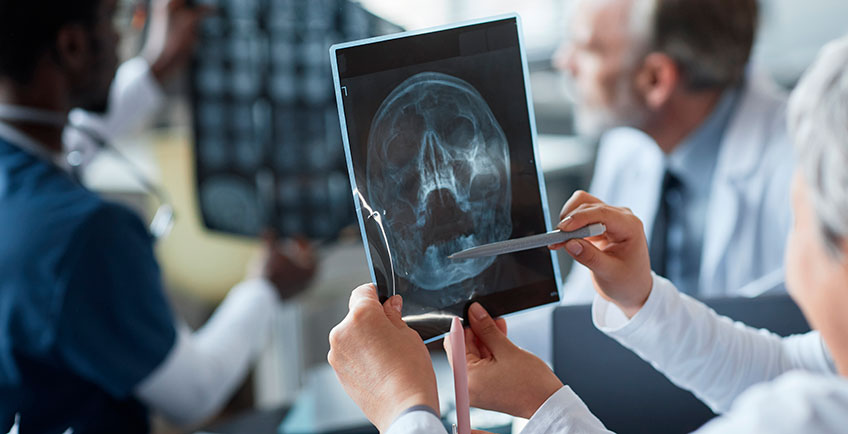
Don't Ignore Symptoms After a Head Injury
Many people assume that if they feel "mostly okay," medical evaluation isn't necessary. However, delayed symptoms can affect work, school, athletics, and everyday life if left unrecognized.
Seeking evaluation after a head injury allows physicians to identify potential concerns early and provide guidance tailored to your recovery.
Comprehensive Concussion Care at Synergex Med
At Synergex Med, concussion care begins with a thorough physician evaluation—not guesswork. Our multidisciplinary approach combines clinical expertise with advanced neurodiagnostic technology to better understand each patient's condition and develop an individualized recovery plan.
Whether your injury occurred during sports, at work, in a fall, or in a motor vehicle accident, early assessment can play an important role in supporting recovery.
Schedule a Concussion Evaluation
If you or someone you know is experiencing symptoms after a head injury, don't wait for them to become more severe. Early evaluation can provide valuable information to help guide the next steps in care.
Contact Synergex Med to learn more about our comprehensive concussion evaluations and advanced neurodiagnostic services.