Where It Hurts Isn’t Always Where It Starts
Pain can start away from where it hurts. Learn about referred pain, nerve symptoms, and how a Synergex Med evaluation can help guide your next steps in care.
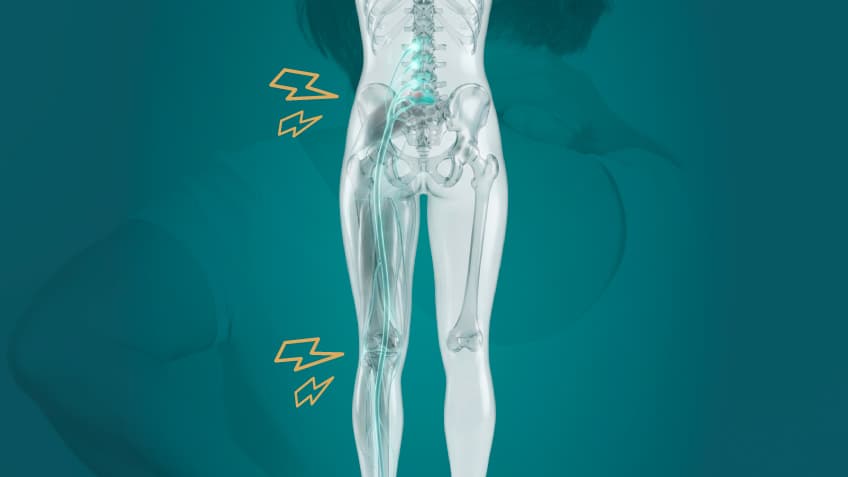
Pain does not always appear where the problem begins. Symptoms in the arm, leg, or knee may sometimes originate in the neck, lower back, or hip. Understanding these patterns can help explain why treating only the painful area may not address what is contributing to the discomfort.
At Synergex Med Pain Management, care begins with a comprehensive evaluation. By considering symptoms, medical history, and diagnostic studies when needed, the team helps patients understand what may be causing their pain and develops an individualized care plan.
How Do We Feel Pain?
Pain involves communication between the body, spinal cord, and brain. The nervous system processes incoming signals, and several factors influence how those signals are experienced.
Pain can feel sharp, aching, burning, or electric. It can also persist after an injury has healed. Its intensity does not always directly reflect tissue damage, which makes a person’s symptoms and medical history important parts of an assessment.
Describing how pain feels, when it occurs, and how it affects daily activities gives a clinician useful information.
Neck to Arm: When a Nerve May Be Involved
Pain, tingling, or numbness in the arm or hand can sometimes originate in the neck.
When a nerve root in the neck becomes irritated or compressed, symptoms may extend into the shoulder, arm, or hand. This condition is called cervical radiculopathy.
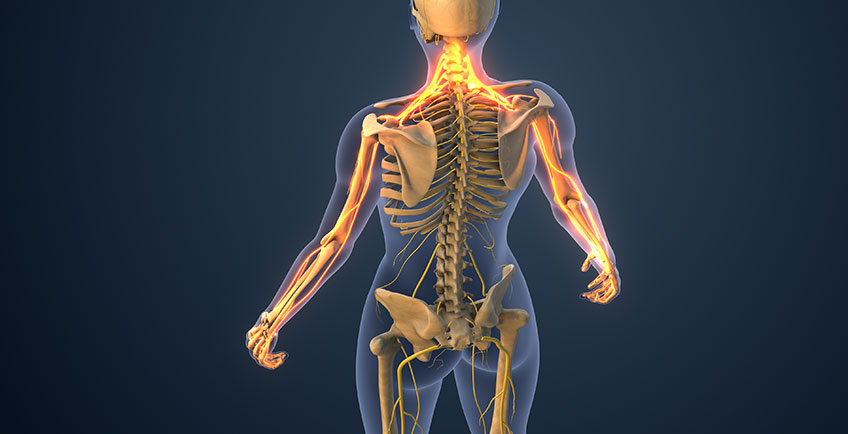
Other conditions can cause similar symptoms. An evaluation helps determine whether the neck, a peripheral nerve, or another structure may be involved.
Lower Back to Leg: Understanding Radiating Pain
A lower back problem can sometimes cause symptoms through the buttock and down the leg.
Sciatica may involve sharp or burning pain, tingling, numbness, or weakness. Some people experience more discomfort in the leg than in the back.
Recognizing this pattern provides a starting point for assessment. Symptoms alone cannot establish the cause or determine which treatment is appropriate.

Hip to Knee: An Example of Referred Pain
Referred pain is pain experienced in an area away from its source.
A hip condition, for example, can sometimes produce discomfort in the groin, thigh, or knee. Someone seeking help for knee pain may therefore need an assessment that also considers the hip.
This does not mean every painful knee has a hip-related cause. It illustrates why an evaluation may need to look beyond the painful area.
What Does Your Back Pain Feel Like?
How pain feels can offer clues worth discussing during an evaluation.
A clinician may ask:
- Where does the pain begin, and does it travel?
- Does it feel sore, sharp, burning, or electric?
- When did it start?
- What makes it better or worse?
- How does it affect sleep, movement, or everyday activities?
These details help guide assessment, but similar symptoms can occur with different conditions. A description of pain is one part of the clinical picture.
No Pain Doesn’t Mean No Injury
Symptoms do not always appear immediately after an injury.
Whiplash, for example, can cause symptoms that begin several hours after a sudden movement of the neck. Feeling comfortable immediately afterward does not provide a complete assessment of whether an injury occurred.
If symptoms develop or concerns remain, a medical evaluation can help determine the appropriate next step.
What a Pain Management Evaluation Can Include
A comprehensive evaluation considers symptoms alongside medical history, relevant records, and examination findings.

Imaging or nerve studies may be recommended when appropriate. Additional testing is not necessary for every person with back pain; the assessment guides what information is needed.
At Synergex Med Pain Management, evaluation guides an individualized care plan. Written recommendations help patients understand the next steps and support coordination with referring providers.
An evaluation does not automatically mean a procedure is needed. Recommendations depend on the individual clinical picture.
When Further Assessment Matters
Pain that persists, worsens, or interferes with normal activities is worth discussing with a clinician. For referring providers, limited improvement may also be a reason to reassess the diagnosis and consider further evaluation.
Some symptoms require emergency assessment. Back or leg pain accompanied by new bladder or bowel dysfunction, numbness around the groin, or severe or worsening weakness in both legs needs immediate medical attention.
Find the Source. Build the Plan.
Where pain is felt provides useful information. Understanding what may be contributing to it requires considering the full picture.
Synergex Med Pain Management helps patients take that next step through evaluation and individualized care planning.
Ready to understand your pain? Visit SynergexMed.com to request an evaluation.
Supporting a patient who needs further assessment? Submit a patient referral to Synergex Med Pain Management.