PRP Therapy Explained: How Platelet-Rich Plasma Supports Natural Healing
Learn how PRP therapy uses your body's own healing platelets to support recovery for certain joint and soft tissue conditions and why a physician evaluation comes first.
You've probably heard about Platelet-Rich Plasma (PRP) therapy, but what exactly is it and why has it become an important option in advanced pain management?
Unlike treatments that rely on synthetic materials or medications, PRP therapy works with something your body already has: its own healing platelets. By concentrating these platelets from a small sample of your blood and delivering them to the treatment area, PRP is designed to support the body's natural healing response.
How Does PRP Therapy Work?
The process is surprisingly simple.
First, a small blood sample is collected. That sample is then processed to separate and concentrate the platelets, which naturally contain proteins involved in tissue repair. Once prepared, the platelet-rich plasma is carefully delivered to the area identified during your physician evaluation.
The entire process is performed as part of a personalized treatment plan designed around your individual condition and recovery goals.
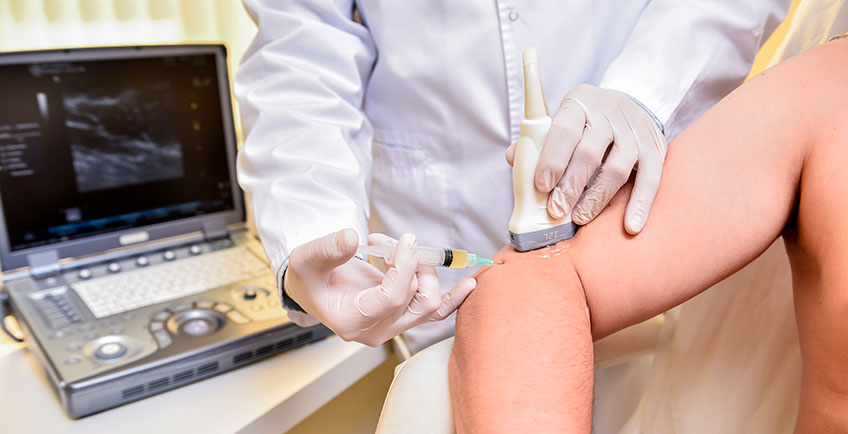
Who May Benefit from PRP Therapy?
PRP therapy may be considered for certain patients experiencing:
- Joint conditions
- Soft tissue injuries
- Tendon-related conditions
Because every patient's condition is different, PRP isn't the right solution for everyone. A comprehensive physician evaluation helps determine whether this biology-based treatment may be appropriate for your diagnosis.
Personalized Care Comes First
One of the most important things to understand about PRP therapy is that it isn't a one-size-fits-all treatment. At Synergex Med, every recommendation begins with a personalized physician evaluation to understand the source of your symptoms before selecting the most appropriate treatment option.
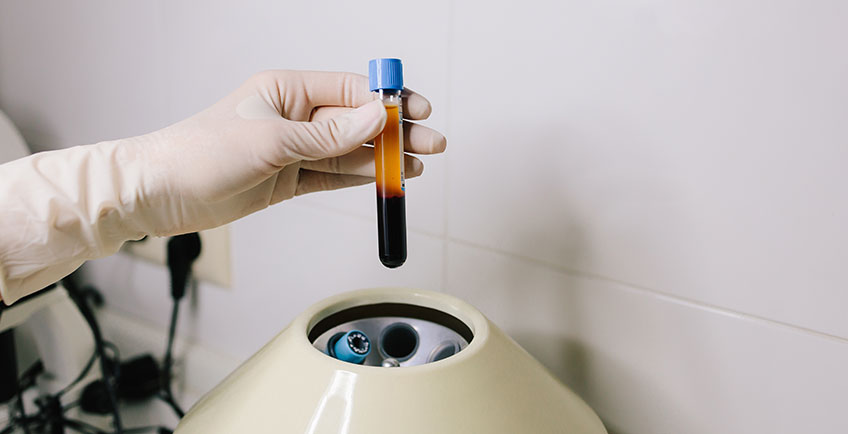
Advanced pain care isn't about following trends it's about matching the right treatment to the right patient.
If you're interested in learning whether PRP therapy may be part of your personalized care plan, speaking with a pain management specialist is the first step toward understanding your options.