How Spinal Injections Treat Back Pain at Its Source
Back pain is one of the most common clinical complaints, yet one of the most frequently misinterpreted. The assumption that all back pain is the same leads to generalized treatments that often fail to address the real issue. The reality is...
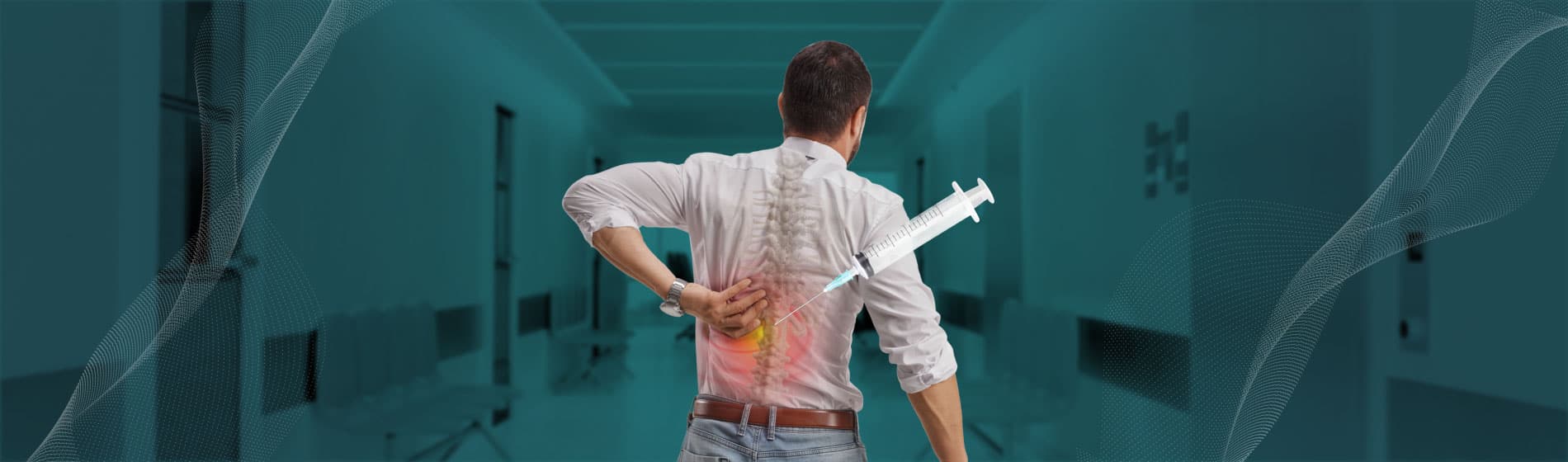
Back pain is one of the most common clinical complaints, yet one of the most frequently misinterpreted. The assumption that all back pain is the same leads to generalized treatments that often fail to address the real issue.
The reality is more precise: back pain originates from different anatomical structures—joints, nerves, or spinal components and each source requires a targeted intervention.
Understanding this distinction is not optional. It is the foundation of effective treatment.
Why Back Pain Requires a Targeted Approach
The spine is a complex structure where multiple systems interact. Pain can emerge from:
- Inflamed facet joints
- Irritated or compressed nerves
- Dysfunction in the sacroiliac joint
- Disc-related structural issues

When treatment does not match the origin of pain, outcomes are limited. This is where advanced spinal injections redefine pain management.
These minimally invasive procedures are designed to deliver medication directly to the source of pain, reducing inflammation and improving function with higher precision.
Types of Advanced Spinal Injections
Facet Joint Injection
Facet joints are small joints in the spine that can become inflamed due to degeneration or stress.
Clinical use:
- Identifies the source of joint-related pain
- Reduces inflammation
- Improves localized back pain
This approach is both diagnostic and therapeutic, making it a key tool in interventional pain management.
Lumbar Epidural Steroid Injection
This injection targets inflammation around spinal nerves in the lower back.
Indications:
- Low back pain
- Radiating leg pain (sciatica)
- Nerve inflammation
By delivering anti-inflammatory medication into the epidural space, it reduces nerve irritation and improves mobility.

Transforaminal Epidural Injection
This is a more targeted version of an epidural injection, delivering medication directly to specific nerve roots.
Used for:
- Nerve compression
- Radiating pain to the legs
- Precise nerve-related relief
This technique enhances accuracy, especially in cases where pain originates from a clearly identified nerve root.
Sacroiliac Joint Injection
The sacroiliac joint connects the spine to the pelvis and is a common but often overlooked source of pain.
Indications:
- Arthritis-related pain
- Lower back and hip discomfort
- Joint inflammation
Targeting this joint can significantly improve stability and reduce chronic discomfort.
Precision Over Generalization
The key shift in modern pain management is moving from symptom-based treatment to source-based intervention.
Targeted spinal injections:
- Reduce inflammation at the exact site
- Improve diagnostic accuracy
- Enhance mobility and function
- Support more efficient recovery
This precision is what differentiates temporary relief from meaningful clinical outcomes.

The Role of Integrated and Specialized Care
Effective treatment does not rely solely on procedures, but on accurate diagnosis and coordinated care.
Clinics that integrate:
- Pain management
- Neurology
- Rehabilitation
are better positioned to deliver comprehensive treatment plans.
At centers like Synergex Med, the focus is on identifying the root cause of pain and applying targeted, minimally invasive solutions within a multidisciplinary framework.
Back pain is not a single conditio it is a spectrum of disorders with different origins.
Treating it effectively requires:
- Understanding the anatomical source
- Selecting the appropriate intervention
- Applying precision-based care
Advanced spinal injections represent a critical step forward in achieving these goals.
When treatment targets the source, outcomes improve not just in pain reduction, but in mobility, recovery, and long-term quality of life.